Generic Drug Preemption: Working Around Mensing and Bartlett in Pharmaceutical Product Liability
The Supreme Court's rulings in PLIVA v. Mensing and Mutual Pharmaceutical v. Bartlett erected federal preemption barriers that block most w…
Strict liability, recall reporting
The Supreme Court's rulings in PLIVA v. Mensing and Mutual Pharmaceutical v. Bartlett erected federal preemption barriers that block most w…

When a total hip or knee replacement fails prematurely, the case is often both a product defect claim against the manufacturer and a medica…
Angle grinders generate severe injuries through guard defeat, wheel overspeed, and fragment ejection. The product liability framework combi…
Side-by-side UTVs have become the most common recreational off-highway vehicle platform, and their rollover injury rate reflects design cho…

Food-borne illness product liability cases require identifying multiple defendants across a complex supply chain, satisfying the causation…
Falls from defective scaffolding and extension ladders generate serious and frequently fatal injuries. The product-liability case against t…

Inclined infant sleepers and unsafe bassinet designs have produced CPSC recalls and wrongful death claims worth millions. Here is the produ…

The Dietary Supplement Health and Education Act created a lighter pre-market approval burden for supplement manufacturers than FDA requires…

Table saws injure tens of thousands of people every year, and flesh-detection technology capable of stopping the blade in milliseconds has…

JUUL and other e-cigarette manufacturers face design-defect, manufacturing-defect, and warning-defect theories across individual cases and…

PFAS litigation has matured from groundwater contamination into a broad multi-site toxic tort practice. This piece covers the EPA's 2024 ma…
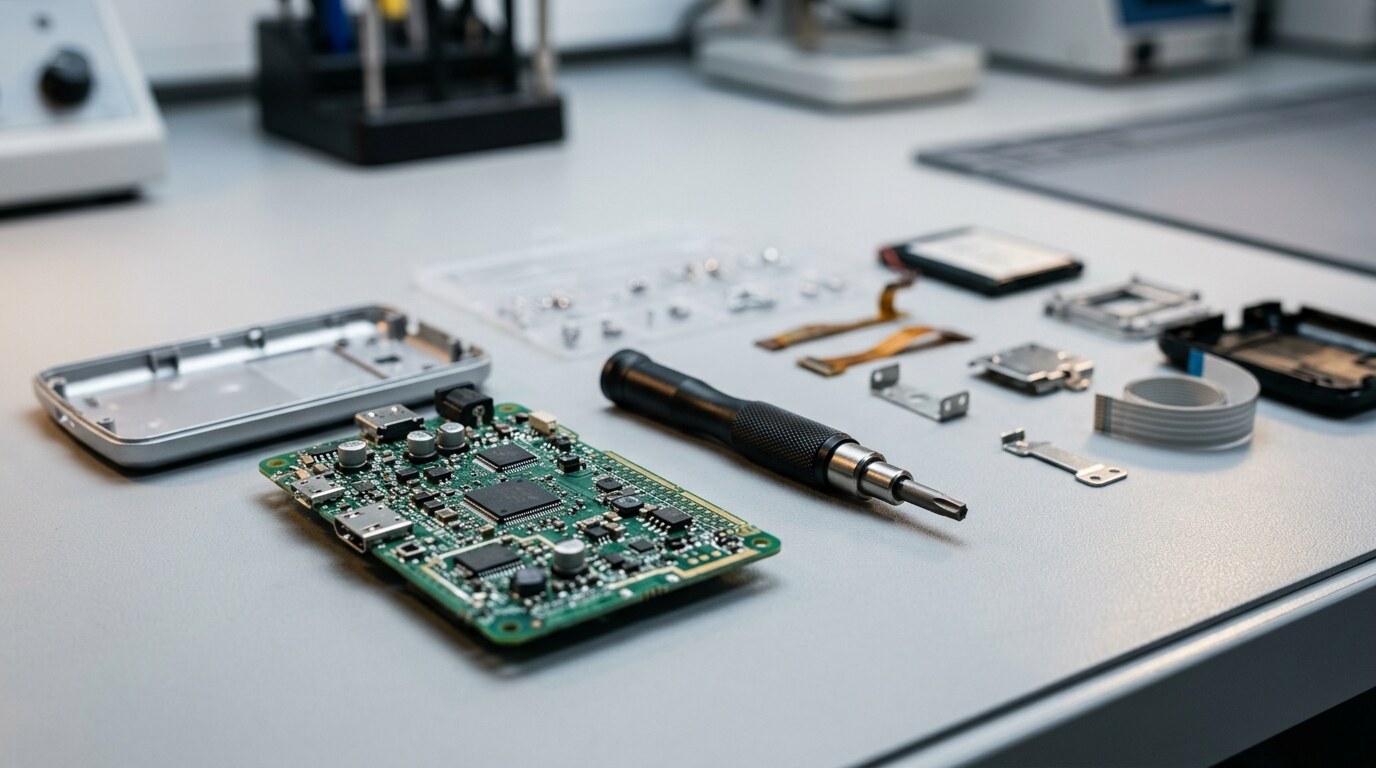
When a lithium-ion battery ignites and causes serious injury, the product liability case turns on two questions that distinguish it from ot…