The Statute of Repose: The Product Time Bar That Kills Claims Early
A statute of repose can extinguish a product claim before your client is even hurt. Here is how repose differs from limitations, why state…
Strict liability, recall reporting
A statute of repose can extinguish a product claim before your client is even hurt. Here is how repose differs from limitations, why state…
The company that built the defective machine dissolved years ago, but a buyer took its assets and kept selling under the same brand. Here i…

Warning cases die on causation. The heeding presumption fills the gap by presuming a plaintiff would have followed an adequate warning, but…
The manufacturer's duty is not to prevent the crash but to avoid aggravating the injury. Building the enhanced-injury case, from Larsen to…
The component-parts doctrine sends generic suppliers home, but two exceptions keep the right defendant in. Here is how to plead and prove t…
When a fire or blowout destroys the product, the malfunction theory lets a plaintiff prove a defect by inference. How to build the record a…
Warning law usually freezes at the sale date. The post-sale duty to warn reopens the timeline, and whether it exists in your forum can deci…
Preemption decides more medical-device cases than any expert fight. A working guide to PMA versus 510(k), the narrow Riegel-Buckman gap, an…
In a prescription-drug or device case, the warning-defect theory rarely dies on whether the label was inadequate. It dies on the learned-in…
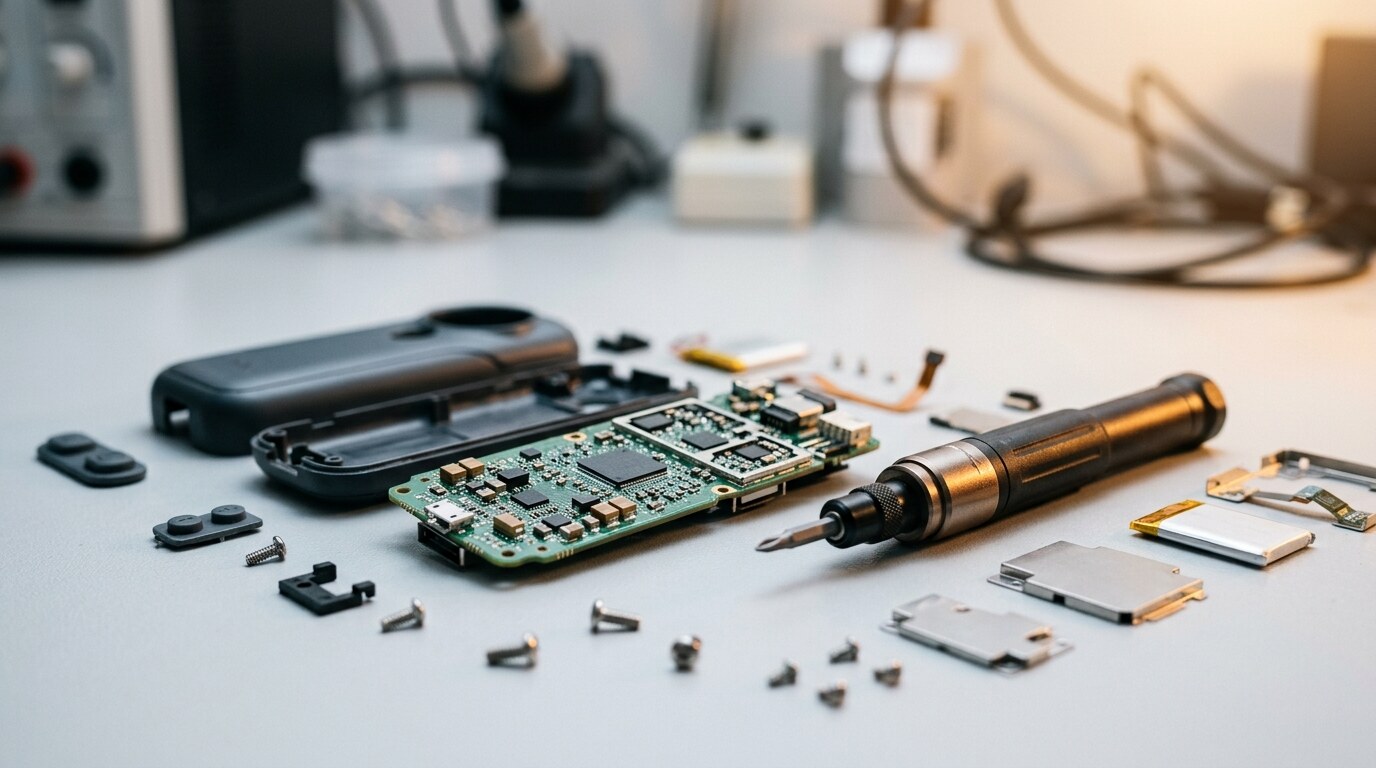
In a defect case the failed product is usually the most valuable evidence in the file. Custody discipline and a preservation protocol, set…

A recall corroborates a product-defect case; it does not prove one. Choosing the defect theory, protecting chain of custody, and using reca…
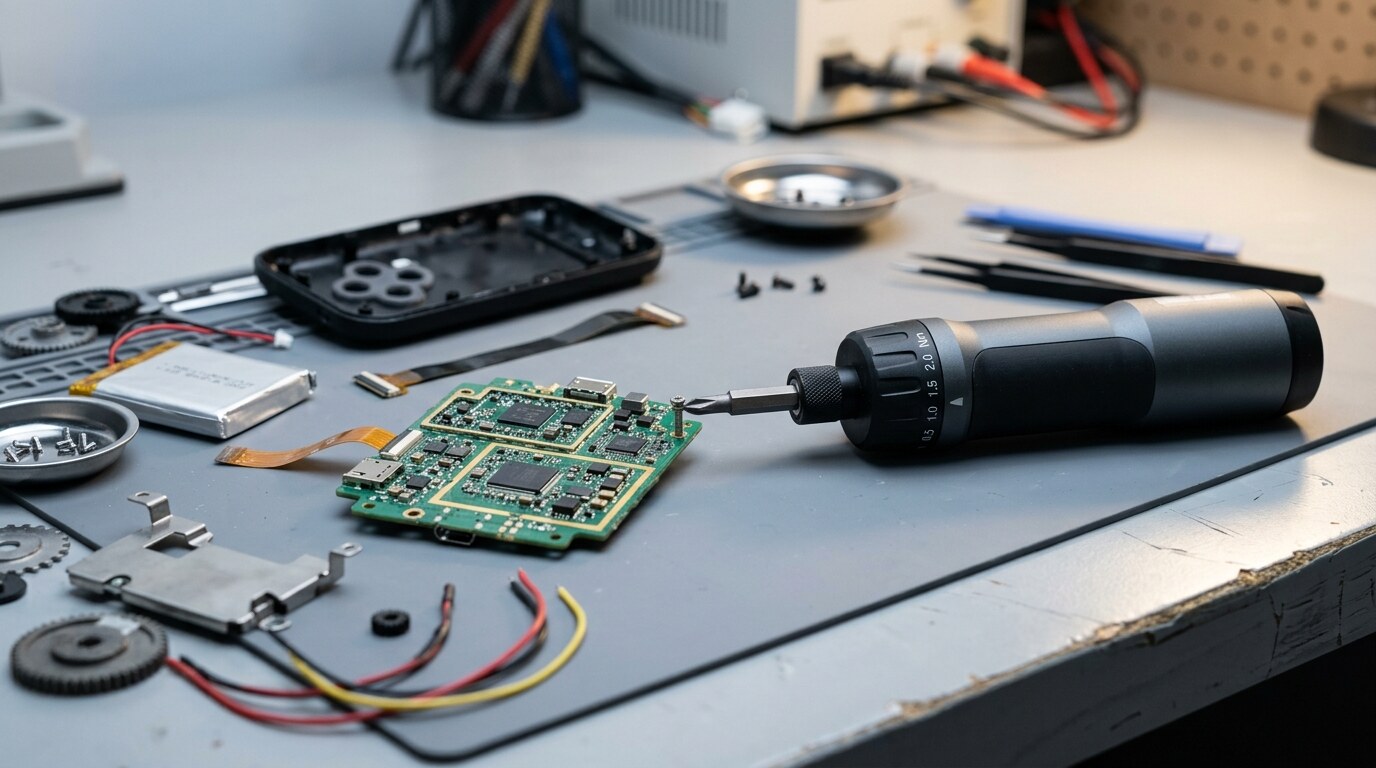
Design-defect cases turn on the product itself. A working look at the risk-utility and consumer-expectation tests, what Sullivan v. Werner…