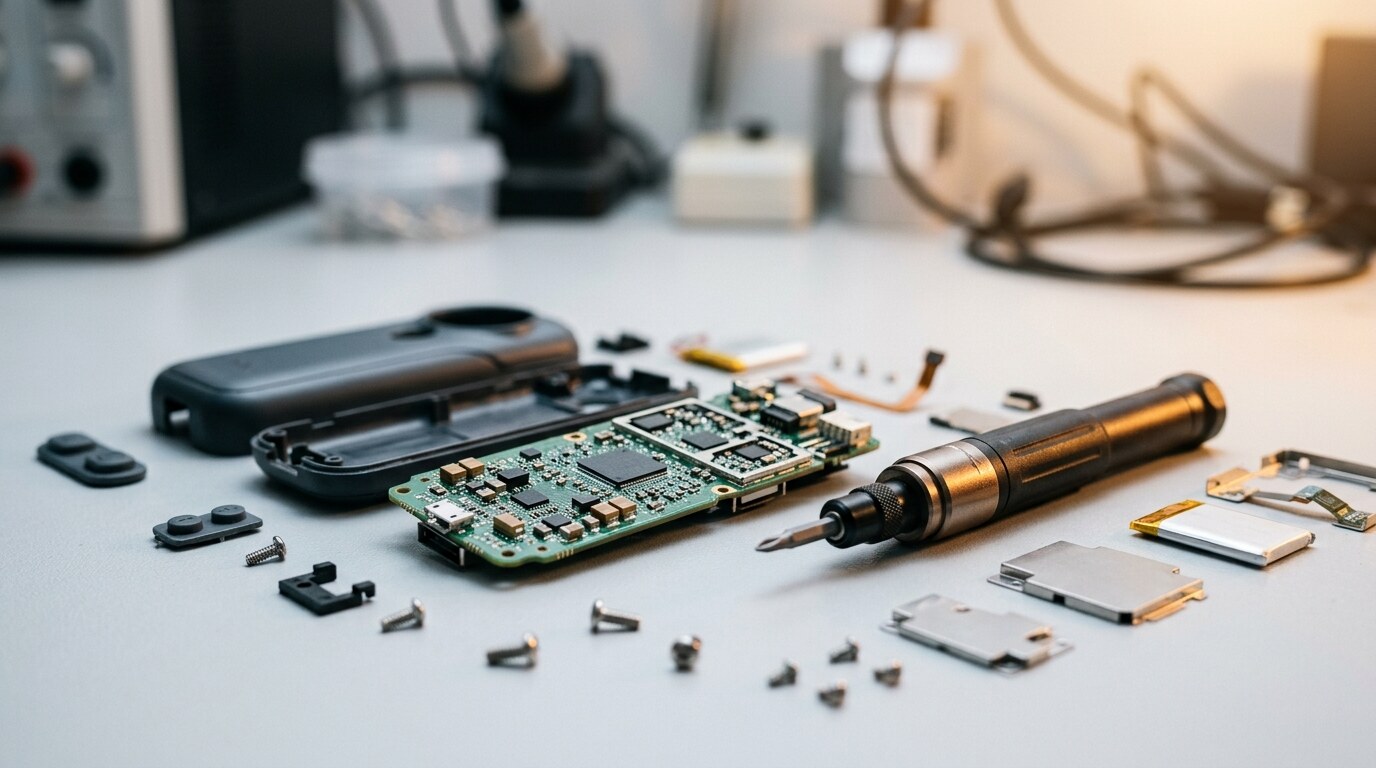
The Product Is the Case
In most product-defect files the single most valuable piece of evidence is the product itself. The failed tire, the fractured ladder rail, the space heater that ignited, the airbag module that never deployed. Lose it, alter it, or let the chain of custody go soft, and the strongest liability theory in the world becomes an argument a judge may never let the jury hear. Defense counsel understand this, which is why the spoliation motion now arrives early and often, sometimes before the manufacturer has said a word about the merits.
The burden problem is structural. The plaintiff carries the burden of proving a defect, and in a design or manufacturing case that proof usually runs through the physical exemplar. When the product is gone the plaintiff is the party who suffers first, because the expert cannot examine what no longer exists. Courts routinely grant summary judgment against plaintiffs who cannot produce the product, not as a sanction but because the burden simply cannot be met. The spoliation sanction is the second injury layered on top of the first.
Custody Starts Before the Client Calls
By the time a client retains counsel the product has often already moved. A repair shop kept the failed part. The fire marshal bagged the heater. A landlord hauled the appliance to the curb. An insurer's subrogation adjuster took the unit for its own examination and never logged where it went. Each hand-off is a break in the chain, and each break is an argument the defense will make about authenticity and alteration.
The first substantive task on a product file is a custody audit. Who has touched the item, where is it now, and what condition is it in. That audit should be memorialized in writing the same week the case opens, because reconstructing it a year later from memory invites exactly the credibility fight the defense wants. Where a third party holds the product, a preservation letter should go out immediately, describing the item with enough specificity that no one can later claim confusion about what needed to be kept.
The Nondestructive Examination Protocol
The hardest tension in these cases is that both sides need to examine the same object, and some examinations destroy it. Sectioning a weld, disassembling a valve, or running a component to failure can answer the causation question and simultaneously ruin the evidence for the other side. Courts resolve this through a joint inspection protocol, and the plaintiff who proposes one first controls its shape.
A sound protocol sequences the work. Nondestructive steps come first: photography, radiography, dimensional measurement, and documentation with every party present or on notice. Destructive testing happens only by agreement or court order, on a defined schedule, with all sides represented. A plaintiff who unilaterally hands the product to a retained expert for cutting, without notice, converts a strong case into a spoliation hearing. The discipline is not defensive caution for its own sake. It is what keeps the expert's ultimate opinion admissible.
- Photograph the product in as-found condition before anything is moved, cleaned, or handled.
- Store the item in controlled, documented conditions and log every person who accesses it.
- Notice all known or anticipated defendants before any testing that alters the product.
- Keep the packaging, the manual, and any attached labels, which often carry the warning and date-of-manufacture evidence.
When the Product Is Already Gone
Sometimes the product is destroyed before counsel ever sees it, and the case is not automatically over. The malfunction theory allows a plaintiff to prove defect through circumstantial evidence that the product failed in a manner that ordinarily does not occur absent a defect, while excluding other reasonable causes. It is harder than examining the exemplar, and it is not available everywhere in the same form, but it keeps otherwise-worthy cases alive when the physical evidence is lost through no fault of the client.
The key distinction courts draw is fault. Where the plaintiff or the plaintiff's agent destroyed the product, sanctions and dismissal tend to follow. Where a neutral third party or the defendant controlled the item when it vanished, the calculus shifts, and the adverse-inference instruction can cut toward the plaintiff instead. Documenting who lost the product, and when, is therefore not a side issue. It often decides which party absorbs the consequence of the missing evidence.
Recall and CPSC Evidence Do Not Replace the Product
A recall notice or a Consumer Product Safety Commission report is powerful context, but it is not a substitute for the failed unit, and it comes with its own admissibility traps. Subsequent-remedial-measure rules limit how a recall can be used to prove a defect, and a recall covering a product line does not by itself prove that this unit failed for the recalled reason. The exemplar still has to connect the general defect to the specific injury. Our coverage of product-liability practice has tracked how courts are drawing that line.
The practical lesson holds across every product beat, from consumer goods to the vehicle-component cases that overlap with auto-accident litigation. The case is built the week it opens, through custody discipline and a preservation protocol, not the week before trial. A plaintiff who can put the actual product in front of the expert, with an unbroken and documented chain, holds leverage the defense cannot easily erode. A plaintiff who cannot is litigating uphill regardless of how strong the underlying defect theory reads on paper. For the appellate treatment of these evidentiary fights, our case-law coverage follows the rulings that matter.