Lithium-ion battery fire claims are rising with the adoption of e-bikes, e-scooters, personal electric vehicles, and residential energy storage systems. When a battery enters thermal runaway and causes a fire, the resulting injuries can be catastrophic, and the liability picture is frequently complex. Two features set these cases apart from most product liability matters: the forensic challenge of preserving a burned and potentially still-reactive product, and the supply-chain problem of identifying who is responsible when the cell, the battery management system, and the finished product come from different entities in different countries.
Thermal Runaway and the Manufacturing Defect Theory
Lithium-ion batteries operate within a defined temperature and voltage range. When a cell exceeds that range due to a defect, it can enter thermal runaway, a self-reinforcing exothermic reaction that generates heat faster than it can dissipate, leading to fire or explosion. The manufacturing defect theory focuses on cell-level defects: metallic contamination in the electrolyte or electrode materials, separator membrane failures that allow internal short circuits, and inadequate quality control in the cell manufacturing process.
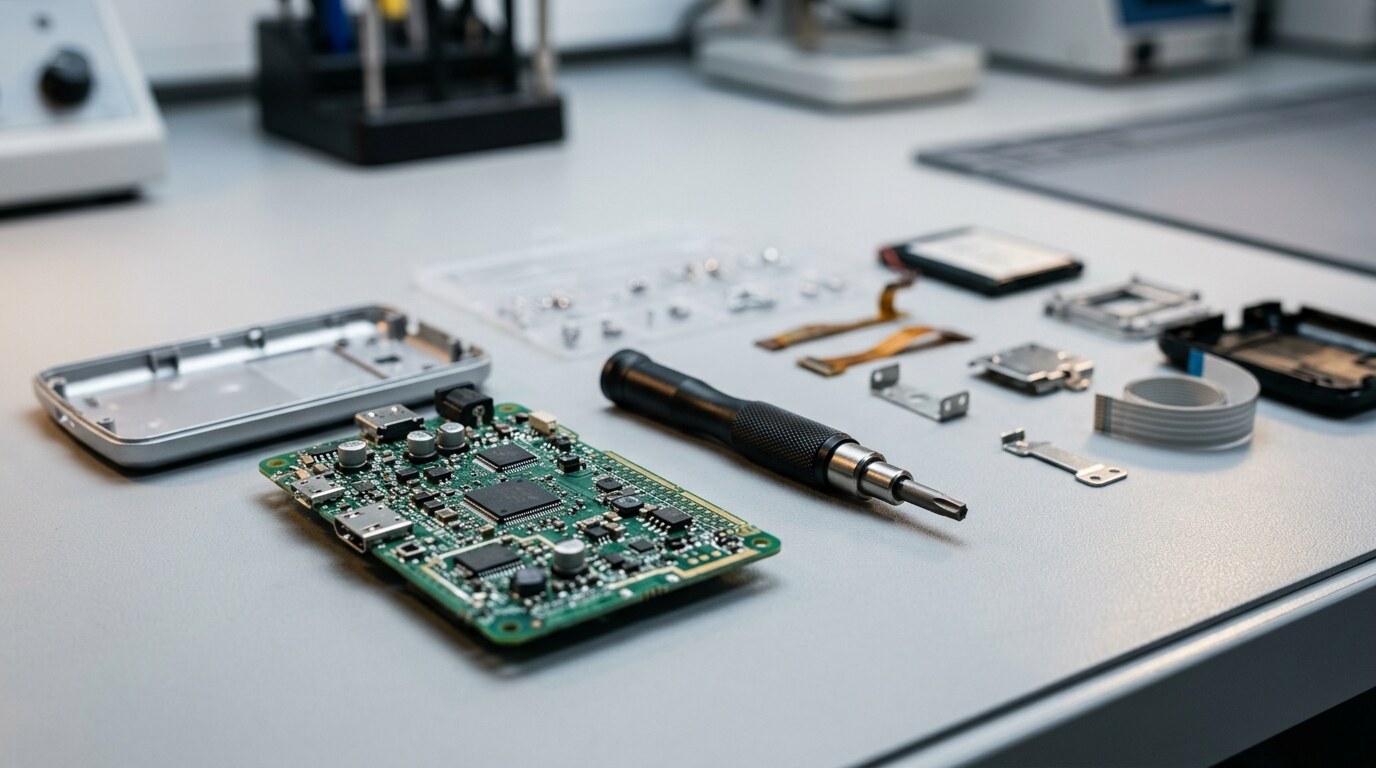
The battery management system is the electronic circuit that monitors and controls the battery pack's temperature, voltage, and charge state. A defective BMS that fails to detect an overheating cell or fails to disconnect the circuit when a dangerous threshold is crossed is itself a failure mode, and it can support either a manufacturing defect or design defect theory depending on whether the specific BMS unit failed to meet its specifications or whether the BMS design was inadequate for the battery configuration it was managing.
Preserving the Burned Battery
The burned battery is simultaneously your most important exhibit and a potential hazard that must be handled with specific protocols. Thermal runaway can continue after the initial fire if cells remain partially charged. Transportation of a fire-damaged lithium battery requires compliance with Department of Transportation hazardous materials regulations, which mandate specific packaging, labeling, and carrier notification.
The chain-of-custody process for a battery fire begins at the scene. Work with the fire marshal's office and the fire investigator to ensure the battery is documented in place before disturbance. Photographs showing the battery's location, orientation, and the fire's point of origin relative to the battery should be taken before any debris is moved. The fire marshal's report, including origin-and-cause findings, is a primary document in every battery fire case.
Once the battery is removed from the scene, it should be placed in a fire-resistant, non-conductive container. Transport to the forensic laboratory requires planning: some labs have receiving protocols for damaged batteries that include initial discharge and neutralization steps before full disassembly. Document the condition of the battery at each transfer point, from the fire scene to the fire marshal's custody to the shipping container to the lab intake. That chain is what defeats a spoliation argument when the defense claims the battery was mishandled.
What the Forensic Analysis Can Show
A properly preserved battery provides a forensic engineer with the material to identify the failure origin. Internal short circuit evidence, anode or cathode defects, separator membrane morphology under scanning electron microscopy, and electrolyte contamination are the cell-level findings that support a manufacturing defect opinion. BMS circuit board analysis can reveal design or manufacturing failures in the control electronics. The sequence of failure, which cell failed first and what propagation path the thermal event followed, is often reconstructible from the physical evidence even in heavily burned batteries.
Identifying the Defendant Across a Global Supply Chain
The liability chain in e-bike and e-scooter battery cases frequently crosses multiple jurisdictions. The individual cells may come from a Chinese cell manufacturer. The battery pack, including the BMS and mechanical enclosure, may be assembled by a different company in China or Southeast Asia. The finished vehicle may be branded by a company that is incorporated in the United States but has no manufacturing operations. The importer of record may be a fourth entity.
In US product liability law, the manufacturer, the importer, and the seller in the ordinary course of business may all face strict liability under a manufacturing or design defect theory. The practical problem is finding and serving foreign manufacturing defendants and obtaining jurisdiction over them. The importer of record, who caused the product to enter the US stream of commerce, is typically reachable in US courts even if the overseas manufacturer is not.
Research the import chain through US Customs import data, which is commercially available through services that track importer-of-record filings. The product's FCC ID registration, required for electronic devices sold in the US, often identifies the entity responsible for compliance. The importer's own documentation of the supply chain may be discoverable once you have the importer as a defendant.
Name the US-based importer, the US-based retailer, and any US-based company that held itself out as the manufacturer or warrantor of the product. Pursue the overseas manufacturer through the Hague Convention service process if jurisdiction can be established. The component parts doctrine may also allow you to bring the cell manufacturer in if the cell itself was the defective component and was not substantially transformed during pack assembly.
For related strategy on preserving complex physical evidence, see our resources on product liability practice. The lien and subrogation picture in battery fire cases, which often involves homeowner's insurance and health plan coordination, is covered in our liens and settlement resources.