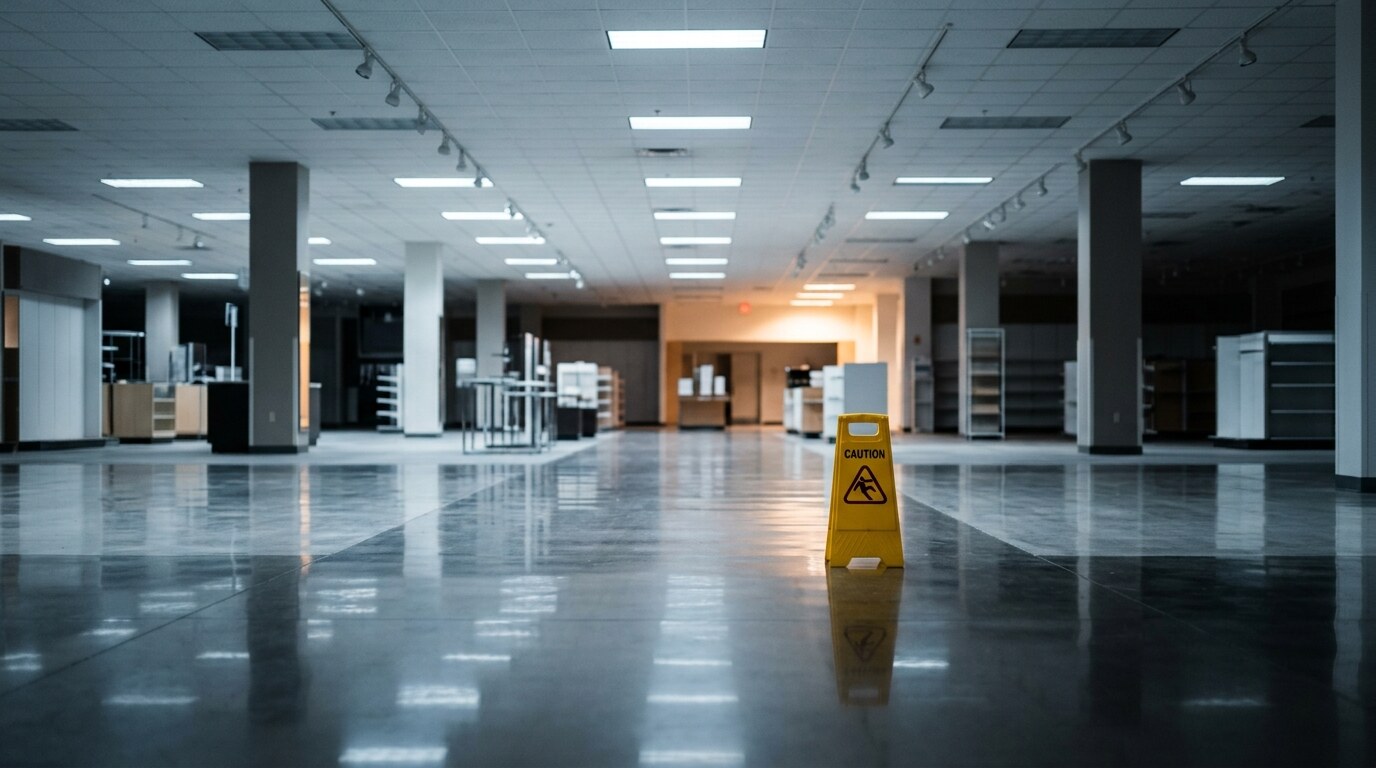
The document written before the defense had a theory
In a premises case, the incident report is often the most useful piece of paper the defendant will ever generate. A store manager or shift supervisor usually completes it within minutes of the fall, before risk management weighs in, before an adjuster opens a file, and long before defense counsel arrives to shape the narrative. It records the physical condition of the floor, the names of nearby employees, whether anyone had noticed the hazard, and now and then a candid line that reads like an admission. That is precisely why defendants treat the report as radioactive and refuse to produce it.
Winning that fight has less to do with clever briefing than with understanding what the report actually is under your jurisdiction's privilege rules. Most refusals collapse once you make the defendant prove the document was prepared because of litigation rather than in the ordinary course of running a business.
The work-product objection and why it usually fails
The reflexive objection is attorney work product. The trouble for the defense is that a routine incident report rarely qualifies. Work-product protection attaches to materials prepared in anticipation of litigation, not to documents a company generates every time a customer falls, whether or not a claim ever follows. A national retailer that completes the identical form after every incident cannot credibly argue that each one was created because counsel expected a lawsuit.
The dispositive question is causation. Would the document exist in substantially the same form even if no litigation were on the horizon? The defendant's own safety manual usually answers that for you. When corporate policy requires a report after every fall, the report is a business record, not a litigation document. Ask for the policy first. Then ask for the report.
Some defendants try to manufacture protection by routing reports through a claims department or captioning them prepared for counsel. Form does not control substance. If the same information is gathered for insurance, safety, and operational reasons, a caption does not convert it into work product. Push for in camera review whenever the defendant refuses to describe how and why the document was created.
Self-critical analysis and other dead ends
A shrinking number of defendants invoke a self-critical analysis privilege, arguing that candid internal safety assessments deserve protection so companies keep policing themselves. Most courts have declined to recognize it, and even where it survives it rarely shields a factual account of a single event. To the extent the privilege exists at all, it protects evaluative and deliberative material, not the plain observation that a floor was wet and unmarked for twenty minutes.
Watch the party-admission angle too. Statements by the defendant's employees inside the report are admissions of a party opponent, and any account of the plaintiff's own words is not privileged as to the plaintiff. Both cut against a blanket confidentiality claim.
Sequencing the requests
Timing matters more than most practitioners treat it. Serve the report request early and pair it with a preservation demand, because the same visit that generated the report often coincides with surveillance footage that overwrites in thirty to ninety days. Our premises-liability coverage has repeatedly flagged how fast that video disappears, and the incident report is your roadmap to what the camera saw.
Build the discovery in layers:
- Request the written incident-reporting policy and the retention schedule first, so the defendant is on record before it ever sees your demand for the report itself.
- Request the report, along with any photographs, sweep logs, and inspection sheets referenced in or created alongside it.
- Notice a corporate deposition on the reporting process, identifying the custodian and the software system used, because many chains now file electronically with metadata that fixes the time of each entry.
That metadata is quietly decisive. A timestamp showing the manager logged the hazard before the fall, or that a sweep was recorded but never actually performed, does more for the notice element than any live witness. Practitioners who chase digital evidence in auto cases already have the instinct, and the same forensic discipline pays off on the premises side.
Using the report once you have it
Do not spend the report at the first deposition. Lock the witness into a version of events, then confront the gaps with the document. If the manager testifies that the aisle was inspected every fifteen minutes but the report and sweep log show a two-hour gap, the impeachment lands harder because the witness committed first.
Read every field. The witness box routinely lists employees the defendant never identified in interrogatory answers. The narrative section sometimes records an earlier customer complaint about the same hazard, which turns a constructive-notice case into an actual-notice case. And the corrective-action box, when filled in, tells the jury the defendant knew exactly how to fix a danger it chose to leave in place.
The incident report rarely wins a case on its own. But it anchors the timeline, names the witnesses, and often supplies the single fact that converts a contested notice question into a settlement conversation. Treat it as the first document you chase, not the last, and build the rest of the file around what it reveals. For how appellate courts have handled the notice element it feeds, see our case-law coverage.