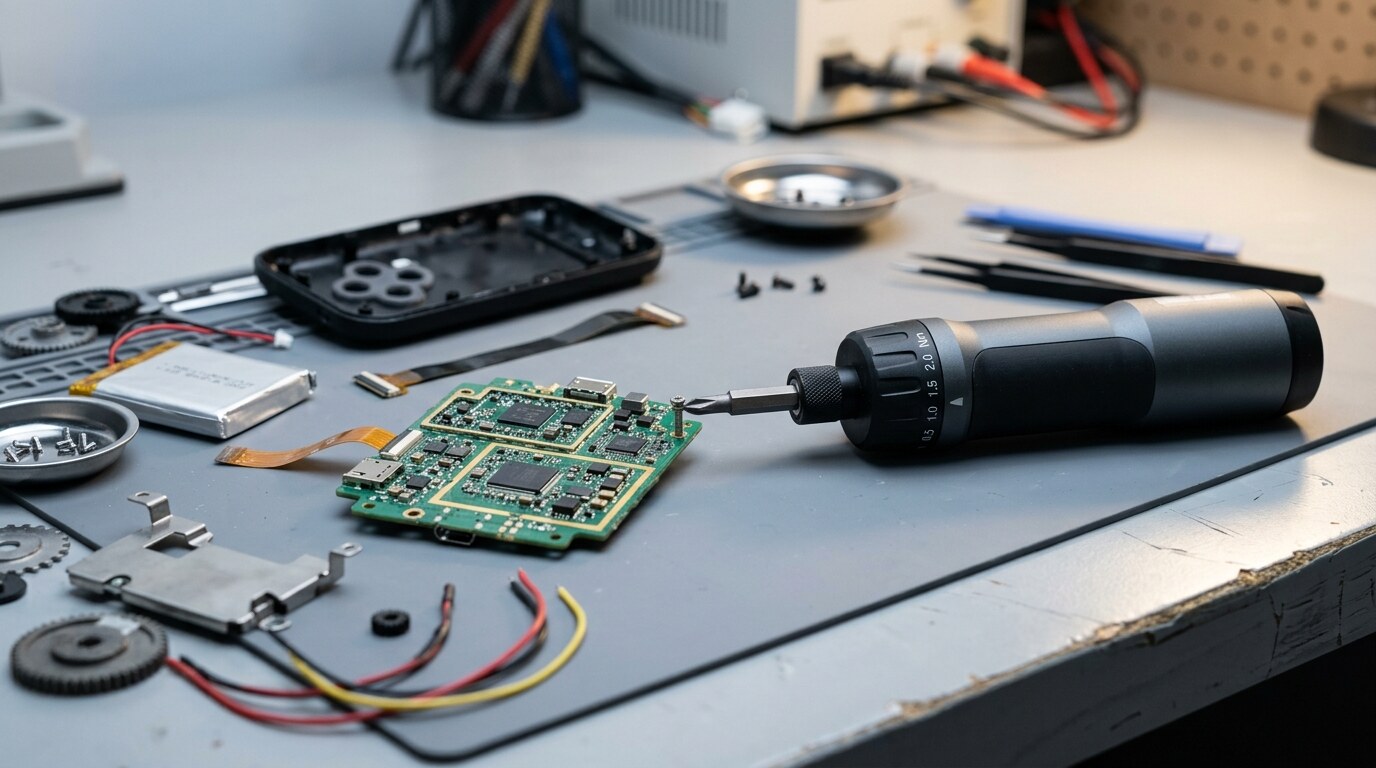
The case is the product, so secure it first
Every defect case lives or dies on the physical evidence, and the most common way to lose one is to let the product walk before anyone documents it. Before theory, before experts, before the complaint, take custody of the failed unit and lock down its provenance. Photograph it in the condition received, log every transfer, and store it where no one can clean, repair, or test it without notice to the other side. A manufacturer that can argue the product was altered after the incident has a defense that costs you nothing to avoid and everything to ignore.
That discipline matters more now because two recent developments, one in evidence and one in regulatory practice, have shifted how design-defect cases get tried, as our ongoing product liability coverage has tracked.
Pick the defect theory before you pick the expert
Products cases still sort into three theories, and they are not interchangeable. A manufacturing defect means the unit departed from its intended design, a deviation argument that often turns on a single flawed part. A design defect means the entire product line is dangerous as drawn, which puts the manufacturer's engineering choices on trial. A warning defect means the product was reasonably safe only with instructions or hazard disclosures it failed to give. Most serious injury cases plead design defect, because that is where the systemic exposure lives and where a verdict reaches beyond the one unit that hurt your client.
Design cases then run through one of two tests, and sometimes both. The consumer-expectation test asks whether the product was more dangerous than an ordinary user would expect. The risk-utility test asks whether a reasonable alternative design's benefits outweigh its burdens, which is to say whether the manufacturer could and should have built it safer. Pennsylvania's Tincher v. Omega Flex, Inc., 104 A.3d 328 (Pa. 2014), is the decision that let plaintiffs use a composite of both tests rather than forcing an election, and many jurisdictions now blend the standards in practice.
Sullivan changed what the defense can show the jury
The sleeper development for design cases came out of Pennsylvania in 2024. In Sullivan v. Werner Co., the state Supreme Court held that a manufacturer's compliance with government or industry safety standards is inadmissible in a strict-liability design-defect case to prove the product was not defective under the risk-utility theory. The reasoning is worth internalizing: compliance evidence speaks to the reasonableness of the manufacturer's conduct, not to whether the product itself was defective. The jury drove the point home with a $2.5 million verdict after a mobile scaffold platform collapsed under the plaintiff.
For plaintiff strategy, the takeaway is to keep the focus on the product's attributes, not the company's diligence. If you are in a jurisdiction that follows Sullivan's logic, move in limine to exclude the defendant's parade of standards certifications, and frame your case around the design choice and a feasible safer alternative. If you are in a jurisdiction that admits standards evidence, expect it and prepare your expert to explain why a minimum industry floor is not the same as a safe design. Our running analysis in the case law and settlements area follows how these evidentiary rules migrate across states.
Recalls and CPSC evidence: useful, but not a verdict
A recall feels like a confession, and clients often treat it as the whole case. It is not. Under Federal Rule of Evidence 407 and its state analogs, a recall or post-incident design change is generally barred when offered to prove a defect or negligence, because courts do not want to discourage manufacturers from fixing problems. The rule has real exceptions, and they are where the work happens. Recall evidence frequently comes in to prove ownership or control, to show the feasibility of a precaution the defendant disputes, or to impeach a witness who claims the design could not have been improved.
So treat a CPSC recall as a roadmap rather than a trophy. The recall file and the manufacturer's duty-to-report submissions can reveal when the company learned of the hazard and how many incidents preceded your client's, which feeds a notice and prior-knowledge narrative even if the recall notice itself never reaches the jury for the truth of the defect. Build the defect proof independently through your own testing and reconstruction, and use the recall to establish timing and awareness within the limits Rule 407 allows.
Reconstruction and chain of custody win the trial
The expert reconstruction is where a design case is actually proven, and it is only as strong as the evidence chain underneath it. Your engineering expert needs the failed unit in documented, unaltered condition, an exemplar product for comparison, and ideally a working alternative design to put in front of the jury. Defense experts will probe every gap in custody, so the log you started on day one becomes trial testimony about why the jury can trust the analysis.
A few practical habits separate the cases that hold up:
- Issue a preservation letter to every entity in the distribution chain, not just the manufacturer, and name the specific unit and its identifiers.
- Use non-destructive testing first, and give written notice before any destructive examination so the defense cannot claim ambush.
- Secure the purchase, maintenance, and usage history early, because a manufacturer's misuse defense feeds on gaps in that record.
- Pin down the reasonable alternative design in concrete, buildable terms, since a vague claim that the maker could have done better rarely survives a risk-utility challenge.
Design-defect work rewards the firm that treats the product as the star witness. Lock down custody, choose the theory that matches the exposure, and shape your evidentiary fights around Sullivan and Rule 407 before the defense does. When a defective product takes a life, the same discipline carries directly into the damages model our wrongful death coverage examines.