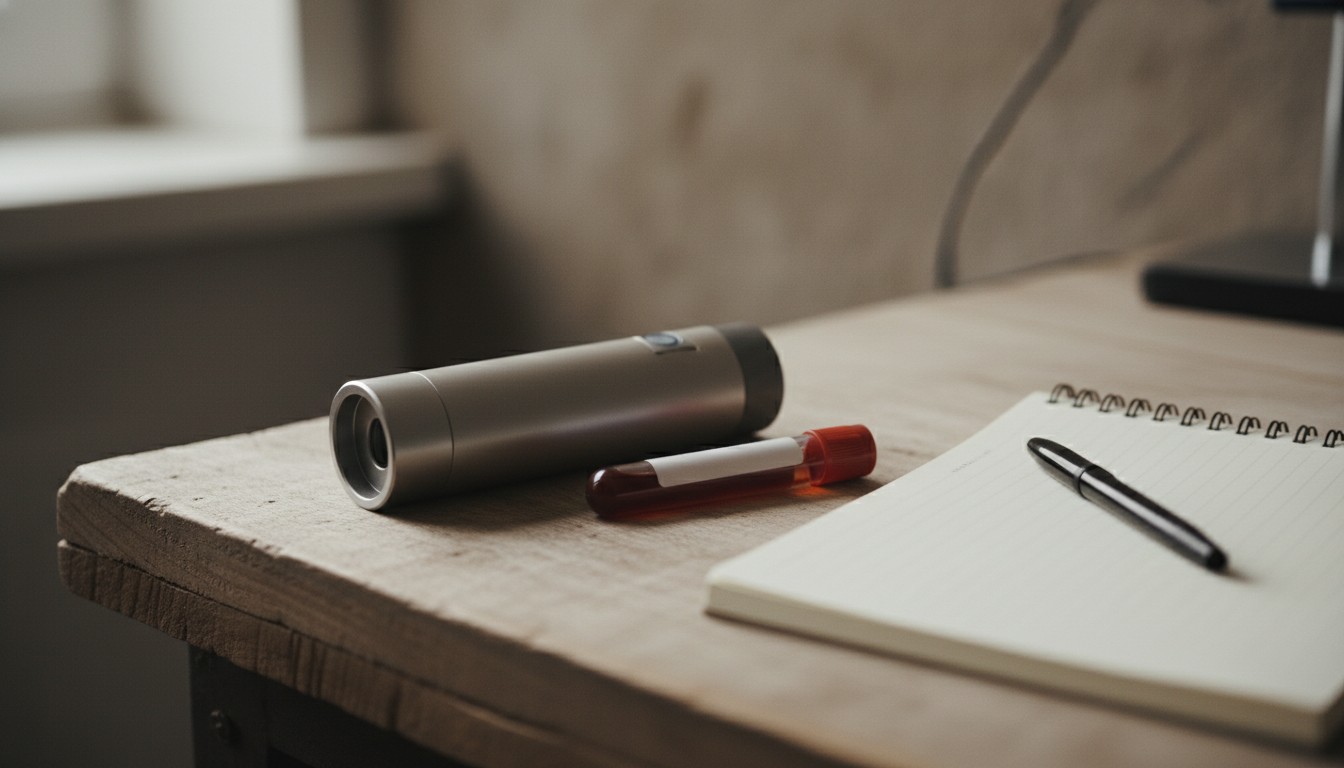
The California DUI per se charge — driving with a blood alcohol concentration at or above 0.08% — turns on a single forensic measurement. The reliability conversation around that measurement has matured substantially over the past decade, and 2026 defense practice reflects the maturation.
The Two Measurement Pathways
Prosecutors prove the per se charge with one of two evidence types:
- Breath instrument result, typically a Datamaster, Intoxilyzer, or Drager device certified under California Code of Regulations Title 17.
- Blood draw analyzed by gas chromatography at a contracted forensic laboratory.
The breath pathway is faster and avoids consent issues but produces more contestable results because of instrument variability. The blood pathway is more accurate per measurement but introduces chain-of-custody and laboratory-procedure issues that defense counsel can develop on discovery.
Breath Instrument Challenges
Defense counsel develop three substantive reliability challenges against breath results:
- Calibration history. Title 17 requires accuracy checks at defined intervals. Counsel obtains the instrument’s calibration log, certification records, and maintenance history. Gaps, missed checks, or failed accuracy verifications are exclusionary triggers.
- Observation period. Title 17 requires a continuous 15-minute observation period before the breath test. Documented breaks in observation — the officer leaving the room, the suspect being unobserved during transport — support motions to exclude.
- Mouth alcohol and source error. Breath instruments measure alveolar air; mouth alcohol from recent consumption, dental work, or gastric reflux can produce false positives. Expert testimony on these pathways is well-established in California courts.
Blood Draw Challenges
Blood-based per se cases have a different defense profile:
- Chain of custody from collection through laboratory analysis. Each handoff is a documentation point; missing entries are challengeable.
- Preservative integrity. Blood samples require a preservative-anticoagulant tube; degraded samples can produce elevated readings through fermentation.
- Laboratory accreditation status. Forensic laboratories operate under accreditation regimes that have specific quality-control requirements. Lapsed accreditation produces evidentiary problems.
2026 Posture
The forensic-reliability conversation is no longer treated as a fringe argument. Trial courts in California now routinely permit defense experts on instrument calibration and laboratory procedure; prosecution offices have responded with more rigorous compliance documentation. The result is a more procedurally serious DUI practice on both sides — with the substantive exposure moving in the direction of cases where the forensic record is genuinely solid.