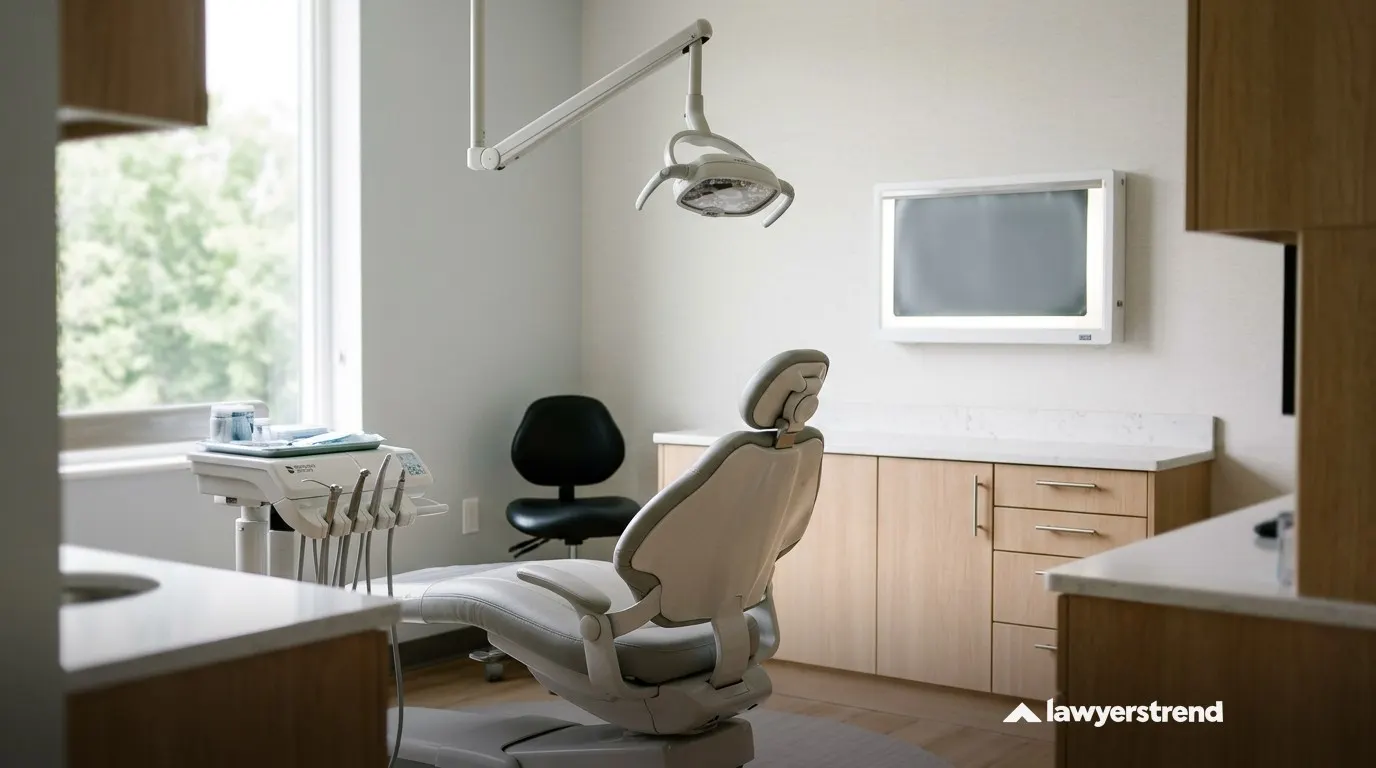
Dental injuries show up in PI files more often than most offices plan for. An airbag deploys and chips two front teeth. A rear-end impact clenches the jaw hard enough to crack a molar. A slip-and-fall ends with a face hitting tile. The client usually notices the problem days later, when chewing hurts or the jaw starts clicking, and by then they are calling your office asking where to go.
Many general dentists in Los Angeles County will not touch a lien. Others will, but their records come back as two lines of shorthand three months after you ask. This piece is a working checklist for case managers, intake staff and lien coordinators who need to find a dentist who treats on a lien or letter of protection, documents injuries in a way the file can use, and fits the client's actual life: their language, their neighborhood and their ride situation.
Start With What the Client Actually Needs
Before you call anyone, get specific about the injury. "Dental" covers very different providers, and calling the wrong type wastes a day.
Sort the complaint first
Ask the client, or pull from the intake notes:
Broken, chipped or knocked-out teeth usually start with a general dentist, who may refer to an endodontist for root canals or a prosthodontist for crowns and implants. Jaw pain, clicking, locking or headaches near the ear point toward TMJ evaluation, which some general dentists handle and others refer out. Facial fractures, jaw fractures or deep lacerations inside the mouth belong with an oral and maxillofacial surgeon, often after an ER visit. A client who already has a dentist they trust should be told they can keep seeing that dentist. The choice of provider belongs to the client.
Check for existing coverage
Find out whether the client has dental insurance or Denti-Cal (Medi-Cal dental). A lien is not the only route, and the client should hear the options. Under Pebley v. Santa Clara Organics (2018) 22 Cal.App.5th 1266, an insured plaintiff may choose to treat outside their plan on a lien, but that is a decision for the client and the attorney, not something staff should push. If the client is on Medi-Cal or SSI, flag it for the attorney early; recovery planning for those clients has its own rules, covered in our piece on protecting SSI and Medicaid eligibility at settlement.
The Lien and LOP Questions to Ask on the First Call
Front-desk staff at dental offices often say "yes, we take liens" without knowing what that means in practice. Ask for the office manager or billing lead and work through these.
Paperwork
Do you use your own lien agreement, or will you accept our firm's LOP form? Get a blank copy of theirs before the client signs anything and send it to the attorney for review. Ask whether the agreement makes the client personally responsible if the case does not resolve, and whether it allows for a reduction at settlement. Ask who at their office handles reduction requests and how long those usually take.
Billing
Will you provide itemized bills with CDT procedure codes? Lump-sum invoices invite challenge. Since Howell v. Hamilton Meats & Provisions, Inc. (2011) 52 Cal.4th 541, the reasonable value of medical services is contested in nearly every California PI case, and itemized, coded bills give the attorney something to work with. Ask whether they will provide a final ledger showing zero further charges when treatment ends.
Treatment planning
Will the dentist write a treatment plan that separates accident-related work from pre-existing conditions? A client with old fillings and gum disease is common, and a plan that bundles everything together creates problems later. Ask whether future-care estimates (implants, crown replacement over time) will be put in writing with costs.
Records, Imaging and Referral Path
Dental records are often the weakest part of a PI medical file. Fix that at the vetting stage, not three weeks before a demand.
Records turnaround
Ask how the office handles attorney records requests and how fast they usually respond. California Evidence Code section 1158 sets a short deadline for providers to make records available after a proper written authorization from an attorney, and Health and Safety Code section 123110 covers patient access requests. Statutory deadlines do not guarantee that a small practice will actually comply on time, so ask directly: who sends records, by what method, and does the dentist charge for narrative reports?
Imaging
Does the office have digital X-rays on site? Does it have cone-beam CT (CBCT) for fractures, root damage or jaw joints? Ask whether images can be exported in a standard format and included with records. If the office has no CBCT, ask where they send patients and whether that imaging site also accepts liens.
Referral chain
Ask who they refer to for endodontics, oral surgery and TMJ when the case goes beyond general dentistry, and whether those specialists treat on lien. A dentist who is lien-friendly but refers out to cash-only specialists leaves the client stuck halfway through treatment. Write the referral chain into your provider notes.
Photographs
Ask whether the dentist takes intraoral photos at the first visit. A photo of a fractured incisor before it is repaired is often the clearest evidence in the file.
Languages, Location and Transport in a County This Size
Los Angeles County runs from Lancaster to Long Beach and from Santa Monica to Pomona. A dentist forty minutes away in traffic is a dentist the client stops seeing after visit two.
Match the neighborhood
Note the client's home ZIP code, work location and whether they drive. A client in Palmdale with no car needs a very different shortlist than a client in Koreatown who takes the Purple Line. Dental treatment often means several visits over weeks or months, so travel burden matters more than it does for a one-time imaging appointment.
Ask about language support
Ask which languages the dentist and front desk speak, not just whether they "have someone." Spanish is the baseline need in much of the county, but Korean, Armenian, Tagalog, Mandarin, Cantonese, Vietnamese and Farsi come up regularly. A client who cannot explain their pain clearly will get a thinner chart.
Transport
Ask whether the office can work with rideshare or medical transport the client arranges, and whether they offer early, late or Saturday hours. Keep a note of which offices are near Metro lines. Do not offer the client anything of value to choose a particular provider; transport questions are about access, not inducement.
Compliance Guardrails for Staff
Provider placement is where offices get into trouble, so keep the lines bright.
Business and Professions Code section 650 prohibits offering or receiving compensation for patient referrals, and section 6152 bars runner and capper activity tied to legal business. No referral fees, gifts, lunches tied to volume, or "you send us cases, we send you patients" arrangements. Give the client more than one option when you can, write down that the client chose, and let the client keep their own dentist if they have one. Staff should not tell clients what treatment they need; that is between the client and the dentist. If a lien dispute or a fee question comes up at settlement, route it to the attorney. Our pieces on health-plan lien disputes and prior counsel fee liens show how quickly lien questions become legal questions.
When Nobody Nearby Is Lien-Confirmed
Sometimes the shortlist comes up empty for the client's area. Work the problem in this order.
First, widen the radius one ring at a time and check transit access rather than straight-line distance. Second, ask the nearest specialist you already have a confirmed lien relationship with, such as an oral surgeon, whether they work with a general dentist in that area. Third, go back to the client's coverage: dental insurance or Denti-Cal may get initial care started while the attorney decides how to handle the balance. Fourth, ask the client whether they have a family dentist who might consider a lien for an existing patient. Many will for someone they already know. Finally, log the gap. If your office keeps hitting the same empty ZIP codes, that tells you where to focus provider outreach.
Shortlisting Fast With a City-and-Specialty Directory
Calling down a list of general dentists hoping someone says yes to a lien eats an afternoon. A directory that filters providers by city and specialty, and shows which ones accept liens or LOPs, lets you start with a short list of offices that have already said yes. Filter by the client's city, pick the specialty that matches the injury, then run each name through the checklist above: agreement terms, itemized billing, records speed, imaging, referral chain, languages and hours. Present two or three options to the client, record their choice, and move on to the next file.
Getting the dentist right early saves more than time. A clear chart, coded bills and photographs taken at the first visit are what turn a cracked tooth into a documented injury.